Stacciola
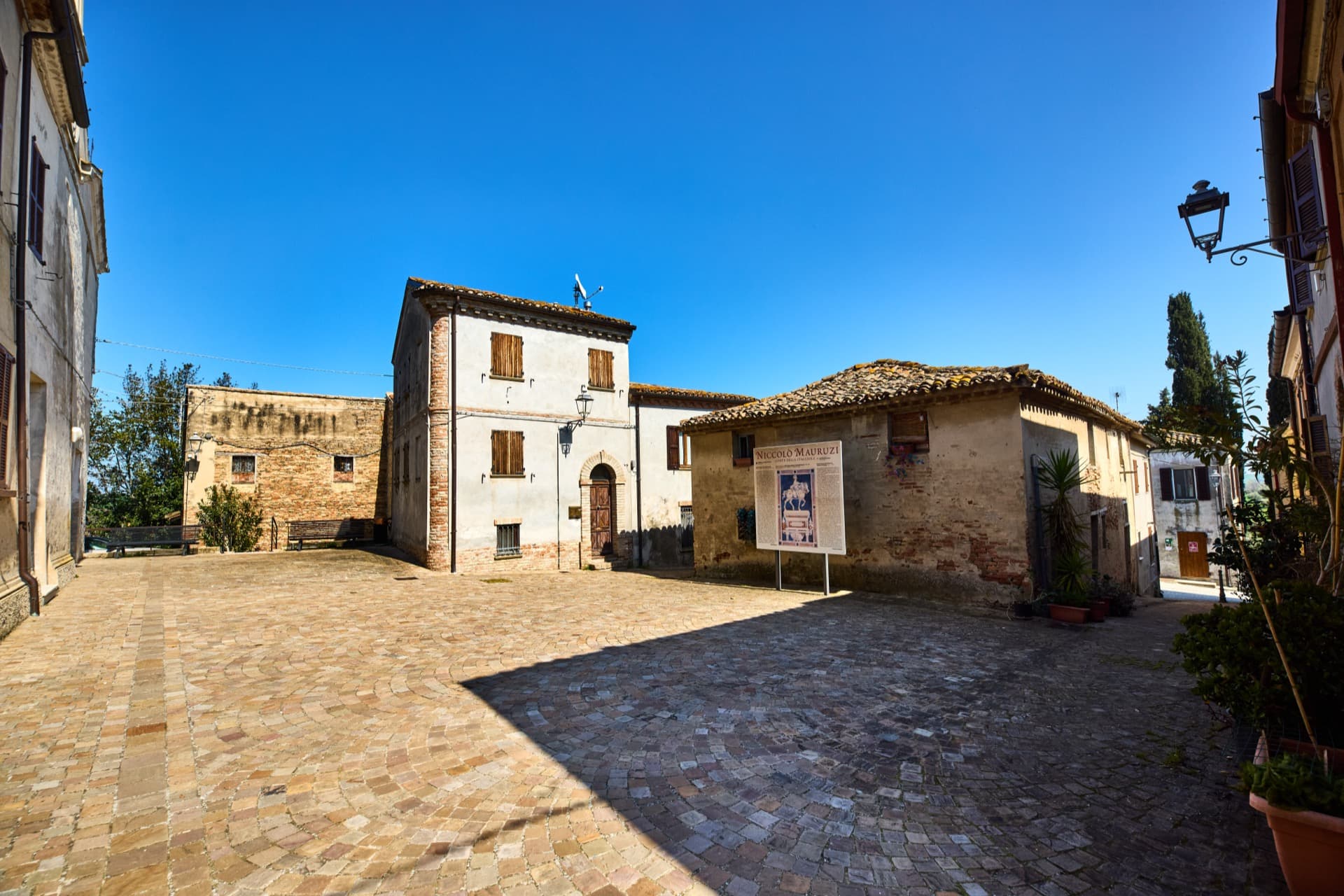
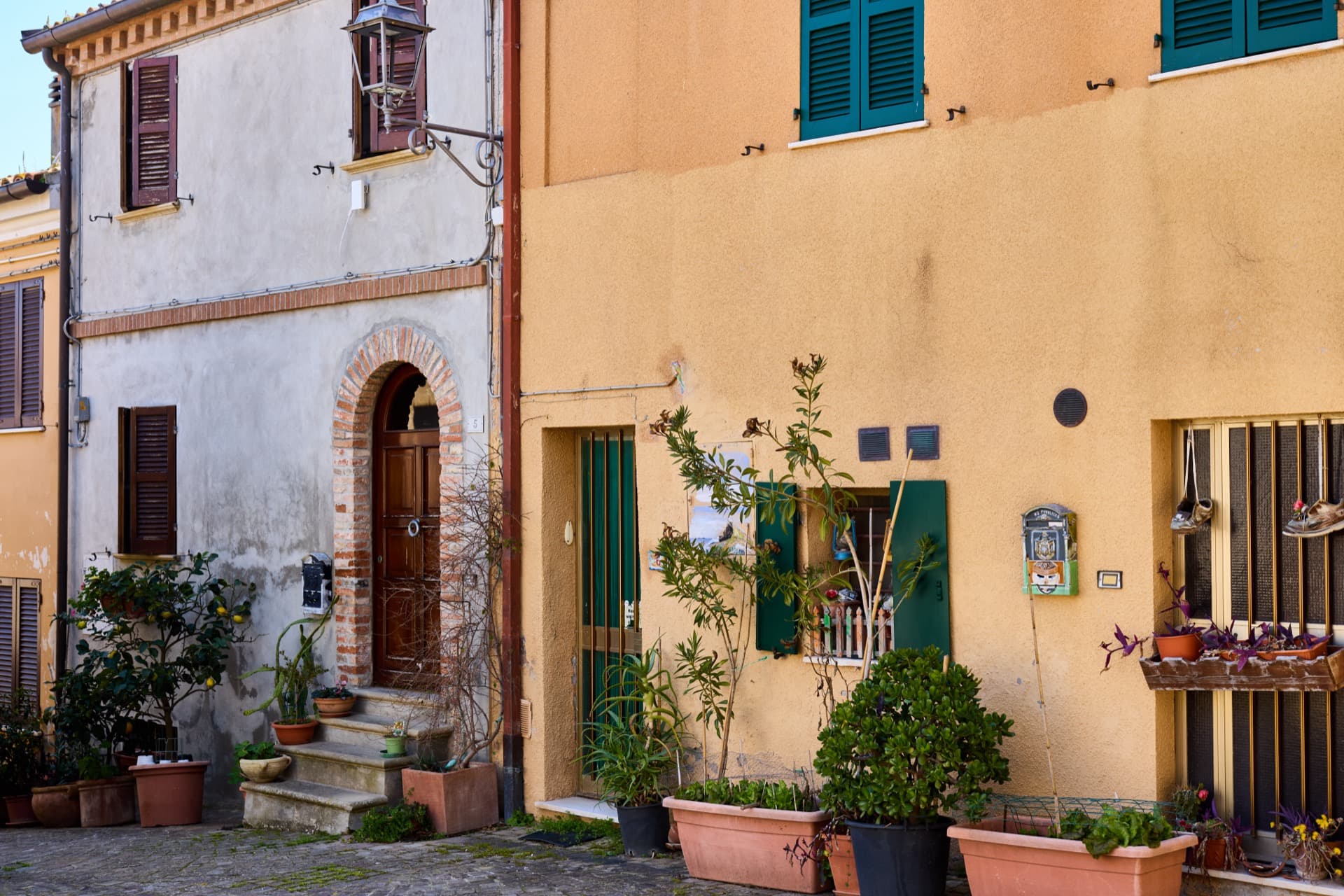
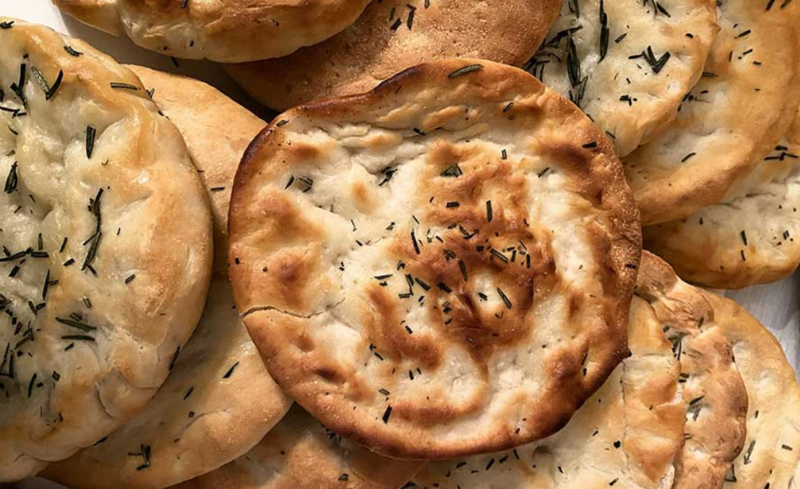
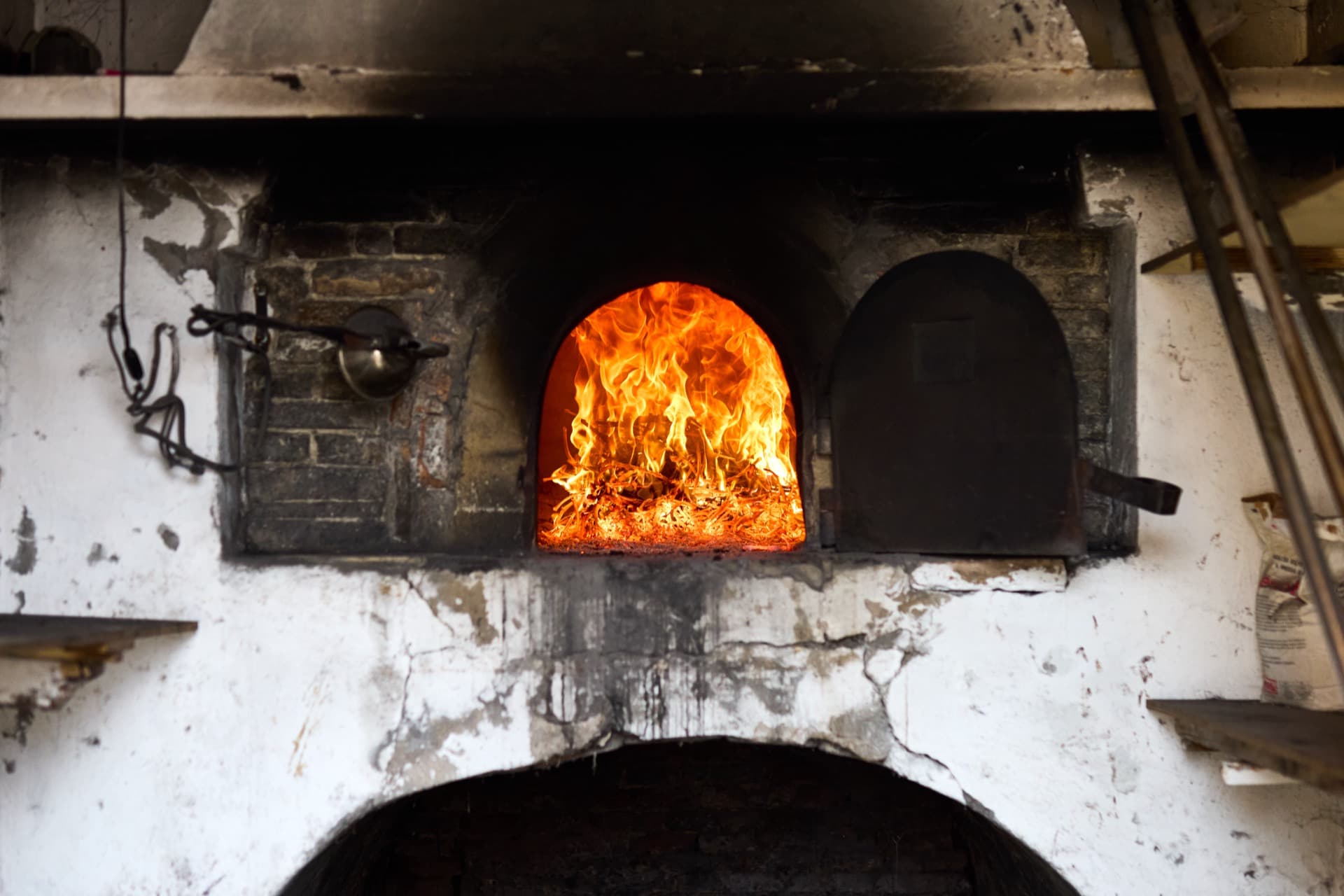
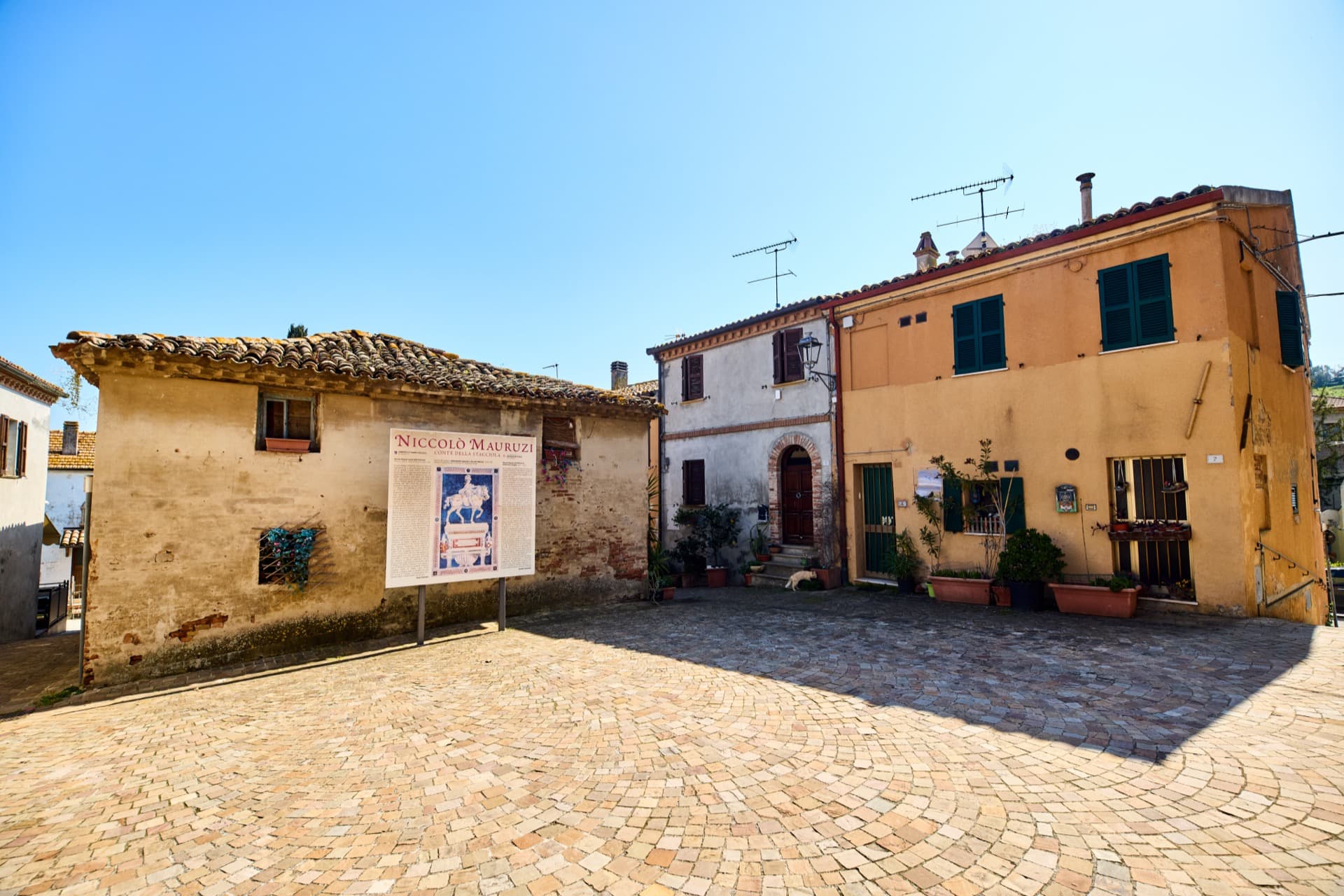
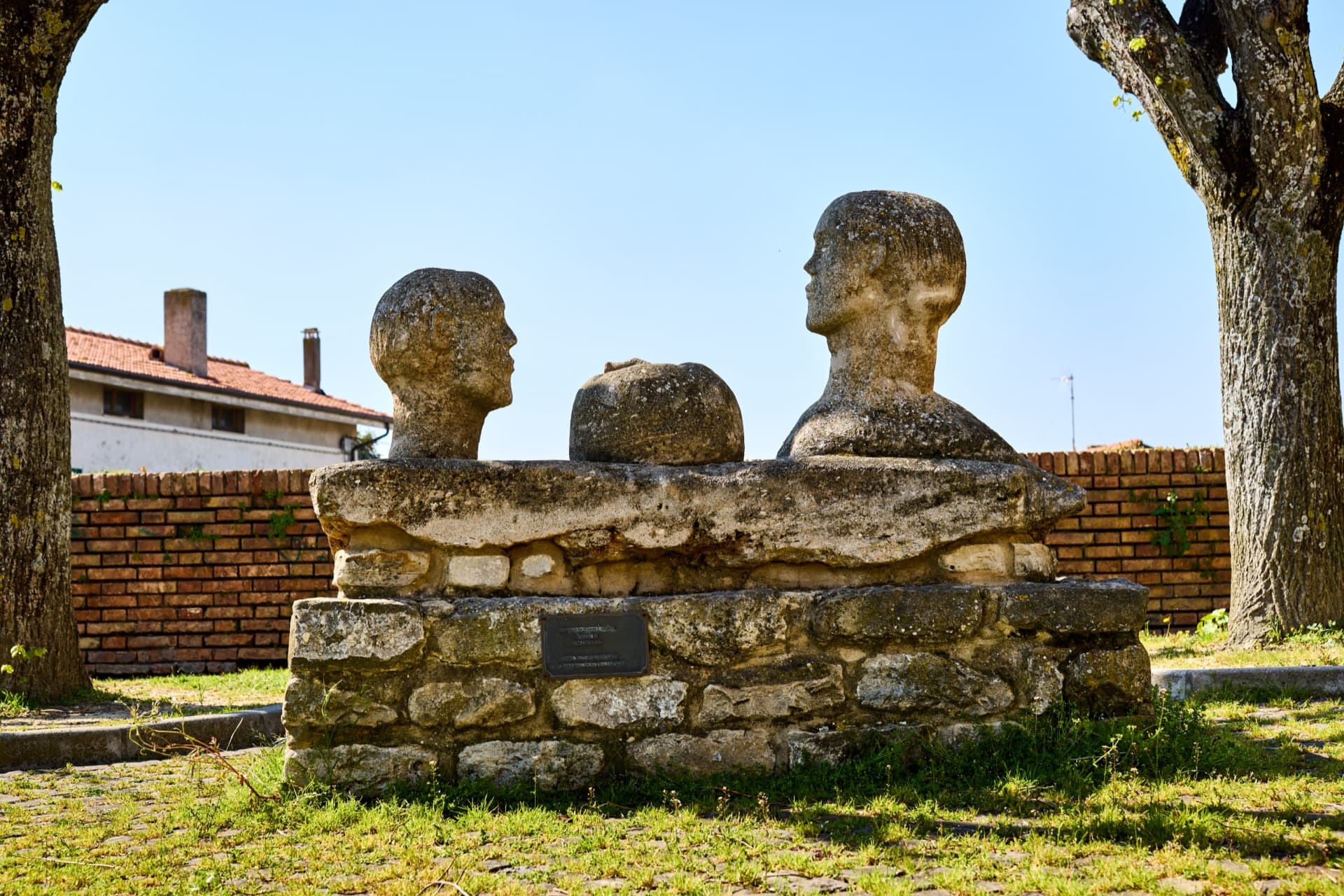
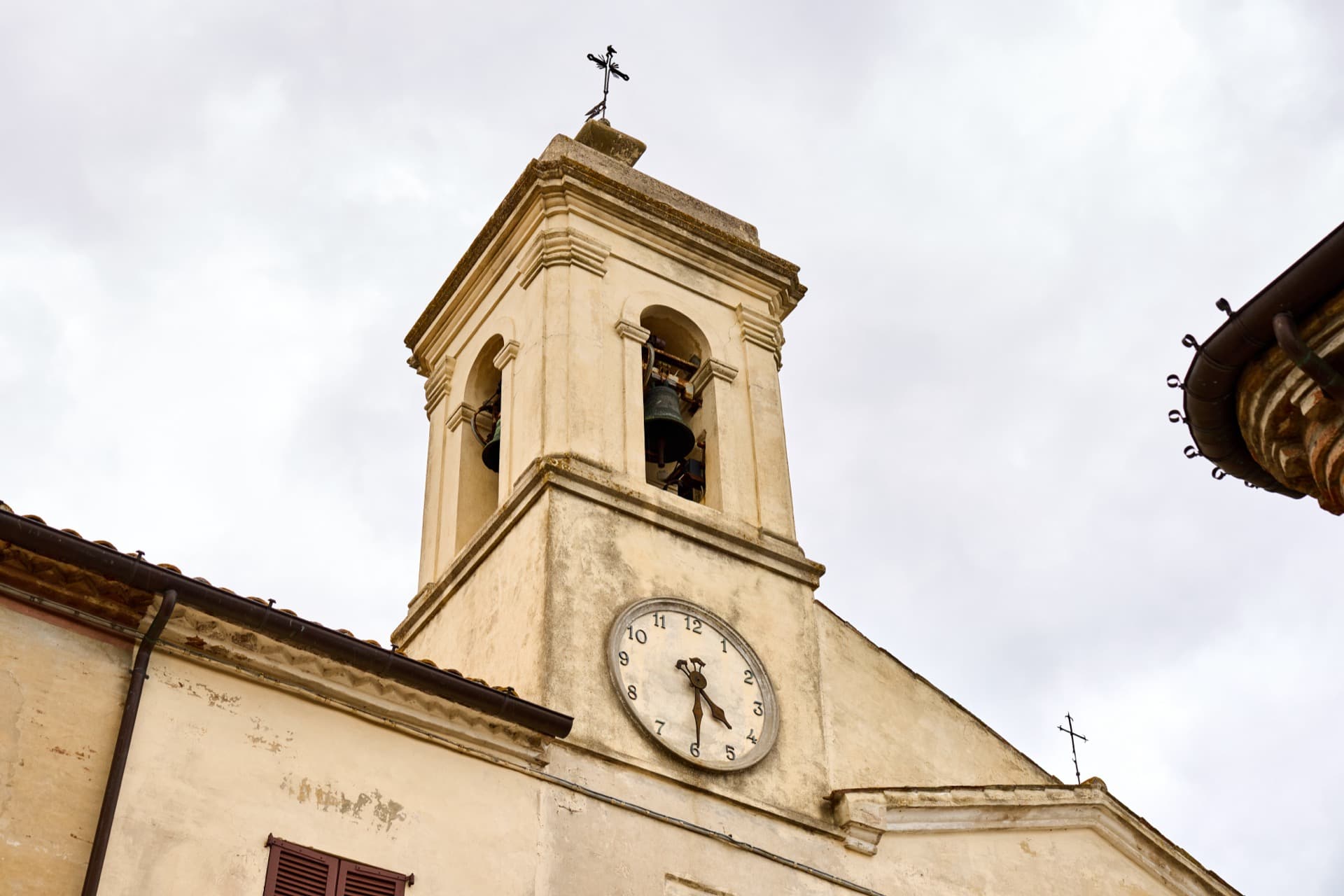
Stacciola is a tiny handful of houses nestled in the Pesaro countryside, just 2 km from San Costanzo. Until a few decades ago, it was at risk of becoming a "ghost country"; today, however, it is a popular gastronomic pilgrimage destination throughout the region. Here you don't come to see great works of art, but to taste a piece of peasant history that was saved from extinction thanks to the tenacity of its inhabitants: the mythical Crescia. It is the place where the concept of "kilometre zero" existed centuries before it became a fashion. Long Description 1. The Pulsating Heart: The Municipal OvenStacciola's history revolves entirely around its ancient community wood-fired oven. Tradition: In the past, families in the village did not have ovens at home and used the common one in turn to bake bread all week. It was the nerve center of social life, where chatter and warmth were exchanged. The discovery: Precisely to test the oven temperature before baking the precious bread, a quick dough richer in lard was used: this is how "Crescia" was born, the daughter of ingenuity and necessity. 2. Her Majesty: "Crescia sa i'ngranagg"Don't call her a piadina, you might offend someone. The Crescia di Stacciola (now recognized as a Traditional Agri-food Product - PAT) is an institution. What makes it unique: It is thicker than piadina romagnola, flaky and enriched with lard and pepper. But the queen version is the "sa i'ngranagg" one (with the cracklings or tasty seasonings inside) or with onion and rosemary. The experience: Eating it fresh out of the wood-fired oven, boiling and just the right amount of grease, accompanied by over-the-top field herbs, is an experience worth the trip. 3. A "Resilient" Village: The Church of San Giovanni Beyond the table, there is the spiritual soul. The small Church of San Giovanni Evangelista is the visual landmark of the village. The Rebirth: Stacciola is a case study of "restancy". In the 1980s, the village was depopulating; the remaining residents founded a cultural association ("Stacciola Viva"), transforming the town into a welcoming living room, restoring common areas, and creating events that attracted thousands of people. It's a hymn to the stubbornness of the Marche region. 4. The Landscape: The Lands of BianchelloStacciola is immersed in a green sea of cultivated hills. Wine and Relaxation: You are at the heart of the production of Bianchello del Metauro, a white wine that seems to have been created specifically to "degrease" the palate after a bite of crescia. The roads leading here are lined with neat vineyards and sunflower fields. Slow Life: There are no souvenir shops or trendy bars. There is a silence broken only by tractors and the wind. It's the perfect place to unplug your phone. Logistics Tips for the Visit When to go (Fundamental): Unlike other places, Stacciola should be visited "safely". The golden moment is the first weekend of August for the Sagra della Crescia, one of the most beloved in the Marche region. Outside that date, the village is very quiet and peaceful. The Pairing: As with Cerasa, Stacciola is visited in a short time (30 minutes). It is perfect as a lunch or snack stop on an itinerary that touches Mondolfo (one of the most beautiful villages in Italy, very close) and the sea of Marotta. The Expert's Advice: If you pass outside the festival period, look for the small shops or ovens around San Costanzo that produce the "Stacciola-type" crescia to take home, but remember: the original one eaten in the square has a whole different flavor.
Galleria
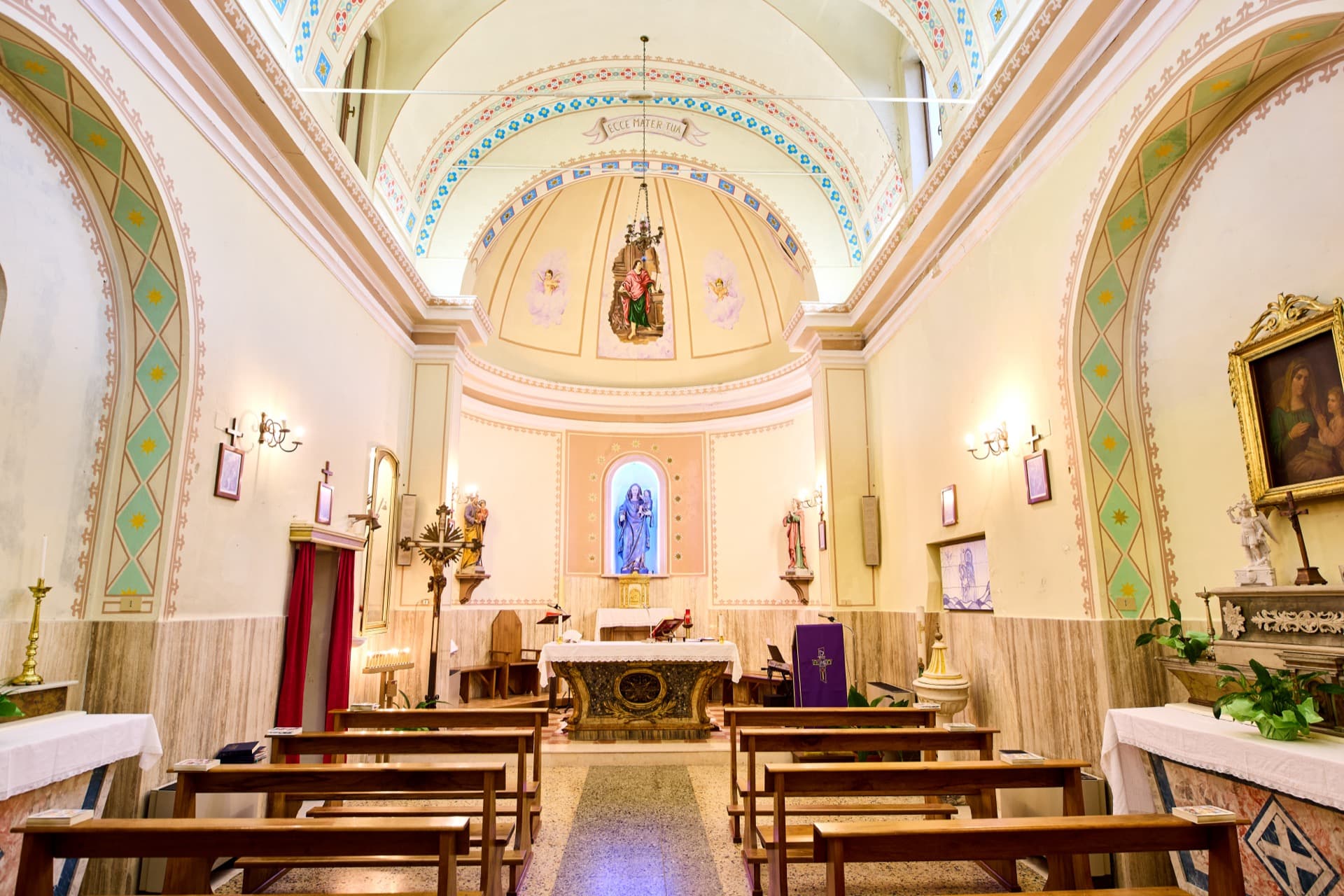
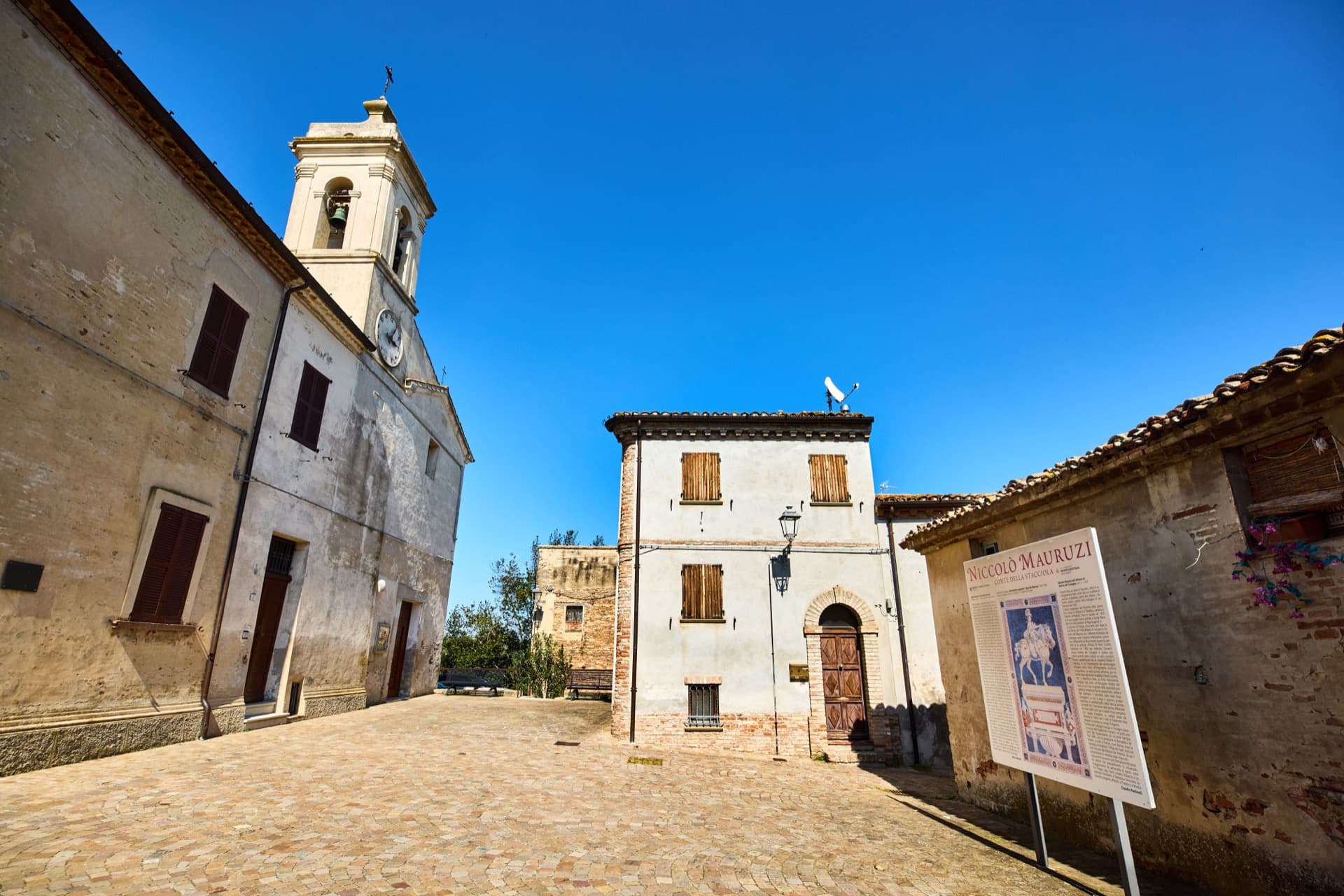
Dove
Altre Informazioni
Categorie
Punti panoramici, Storico, Architettura
Potrebbe interessarti anche

San Costanzo - i luoghi digitali dell'altrove - Questo intervento è stato realizzato con il contributo dell’Unione europea Bando POR FESR Marche 2021-2027 - Asse 1 - Azione 1.2.2 - Int. 1.2.2.2 Bando per “Servizi digitali integrati”



